
Hundred-year-old facades, rebuilt to outlast the originals.
The terracotta and stone that gave our main streets their faces is failing — and the kilns that made it are nearly all gone. Szolyd recreates the missing pieces in UHPC: cast from the original blocks, matched in colour and texture, stronger than what time took down.
Why a modern material belongs on an old building
Terracotta was always fragile
Clay, kiln-fired and glazed, it gave buildings their colour and detail — and cracks under impact and freeze–thaw. Almost no architectural terracotta manufacturers remain in North America. Precast UHPC replicates the look, shape and feel, without the fragility.
Restoration now means seismic
Most heritage structures need seismic upgrading along with cosmetic repair. Ductal’s compressive and flexural strength gives engineers room to design fastening systems the original material could never carry.
Cast to match, not approximate
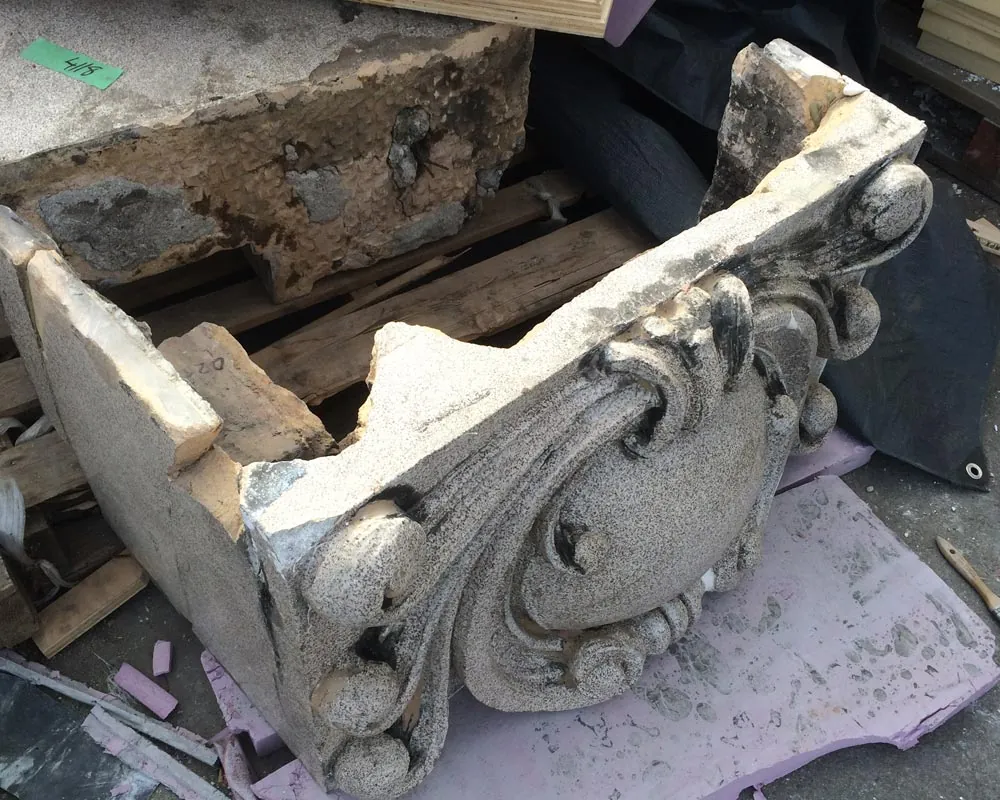
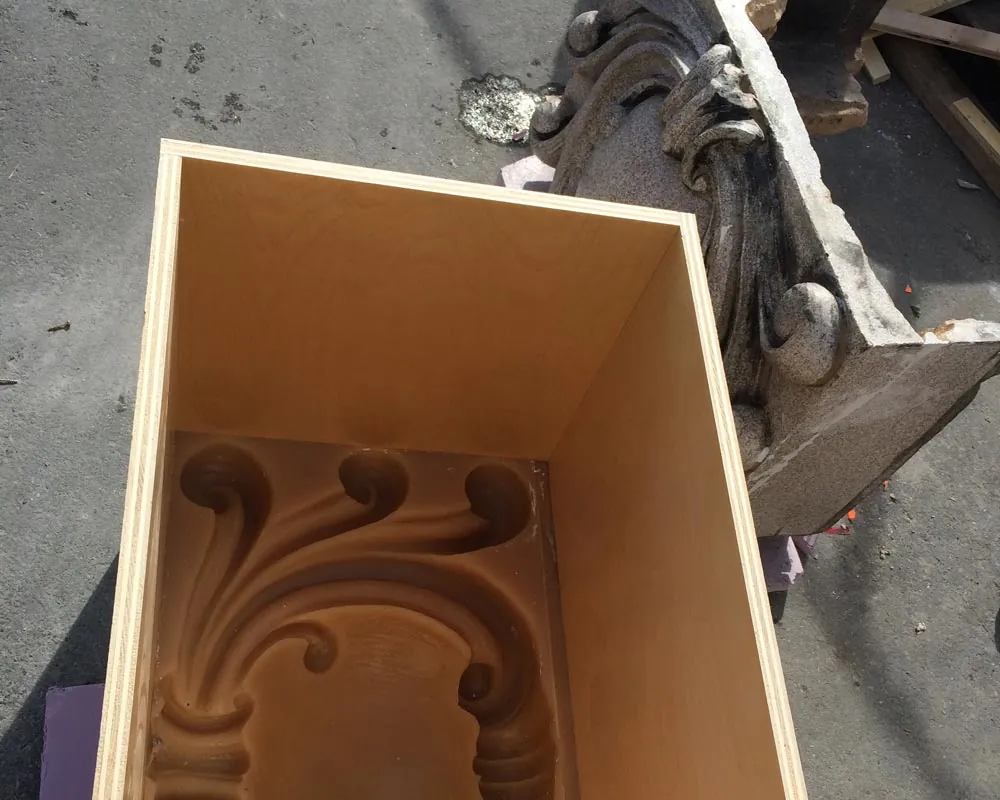
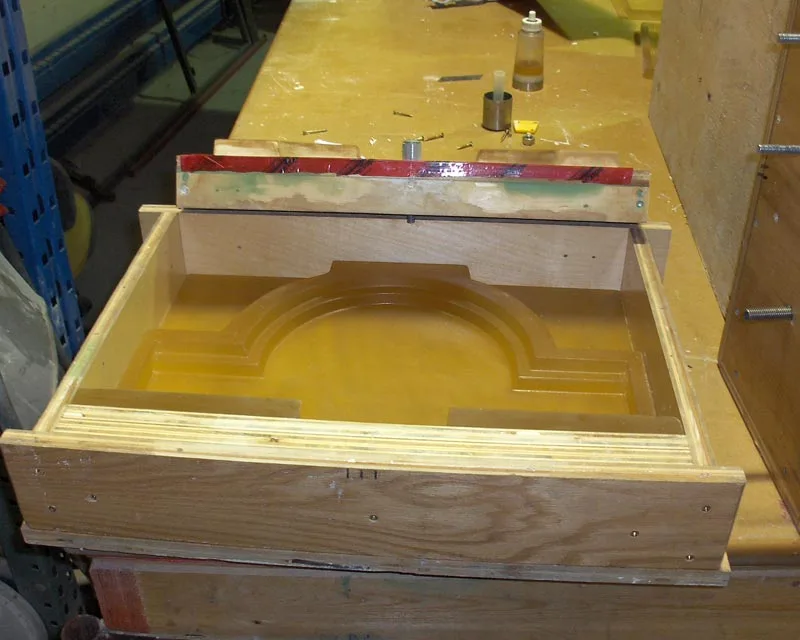
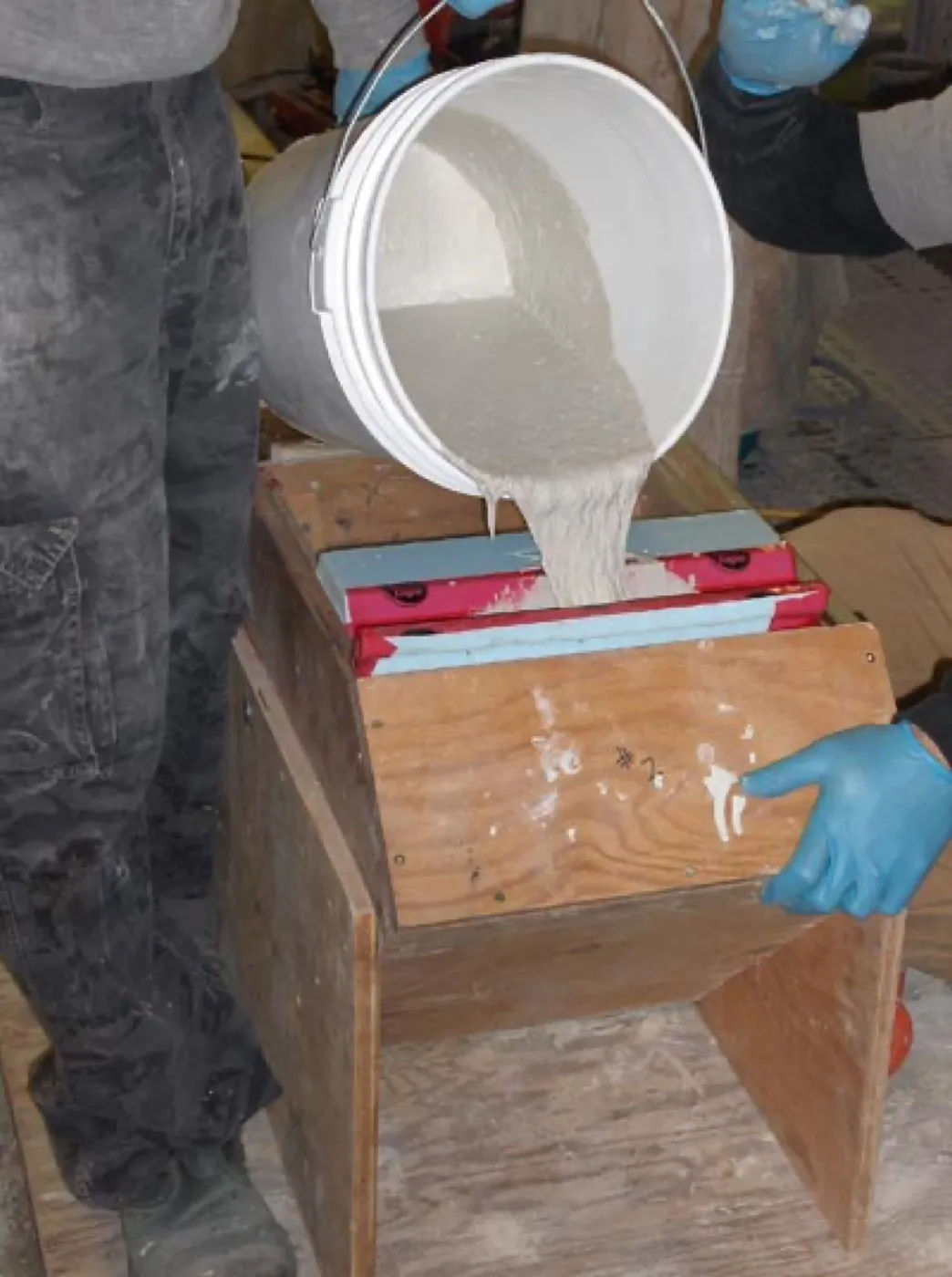
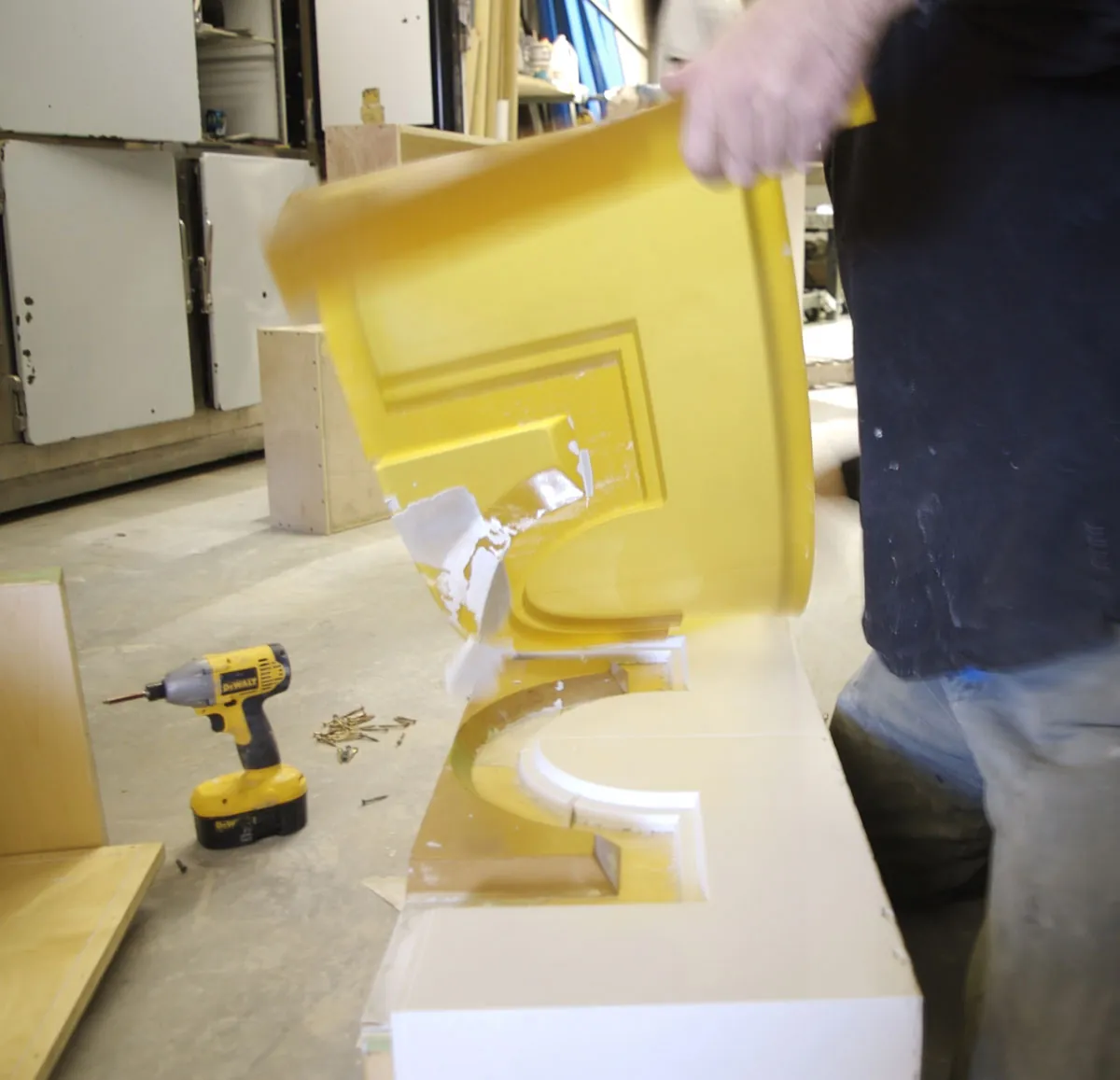
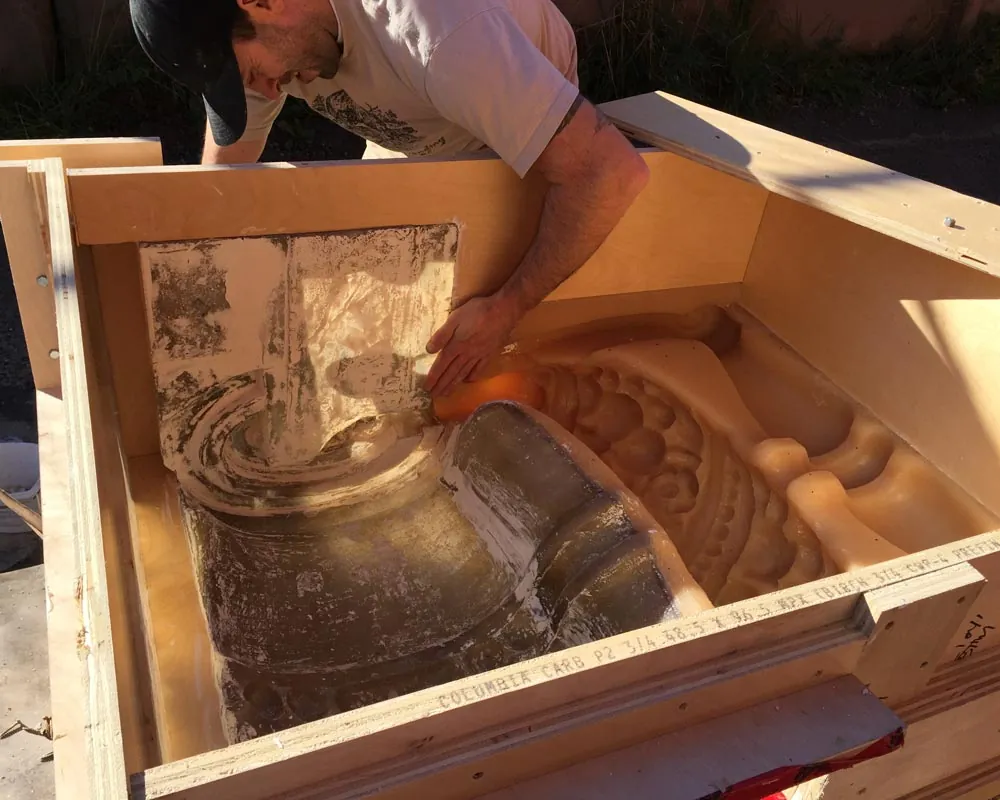
Molds are taken from the surviving blocks themselves, so replacements carry the original tooling marks, profiles and grout lines. And because precast air-cures rather than kiln-fires, there is no shrinkage to design around.
Hotel Rialto — eleven columns, one material change
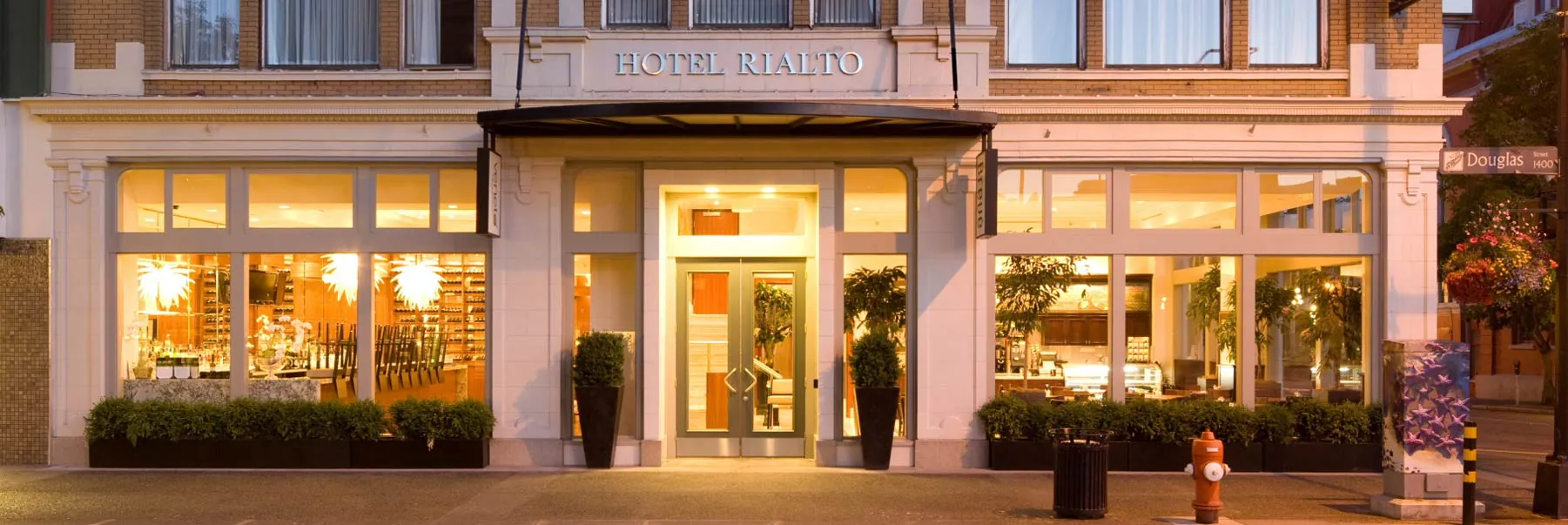
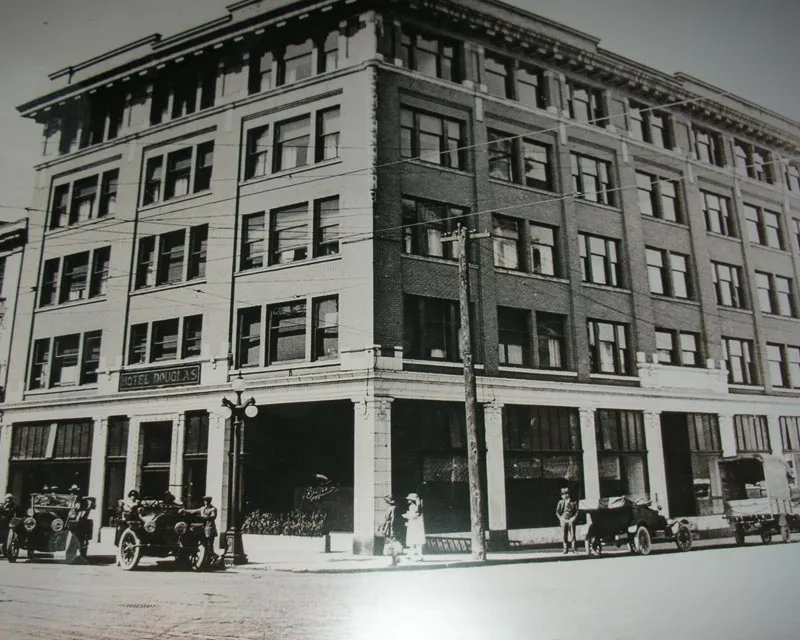
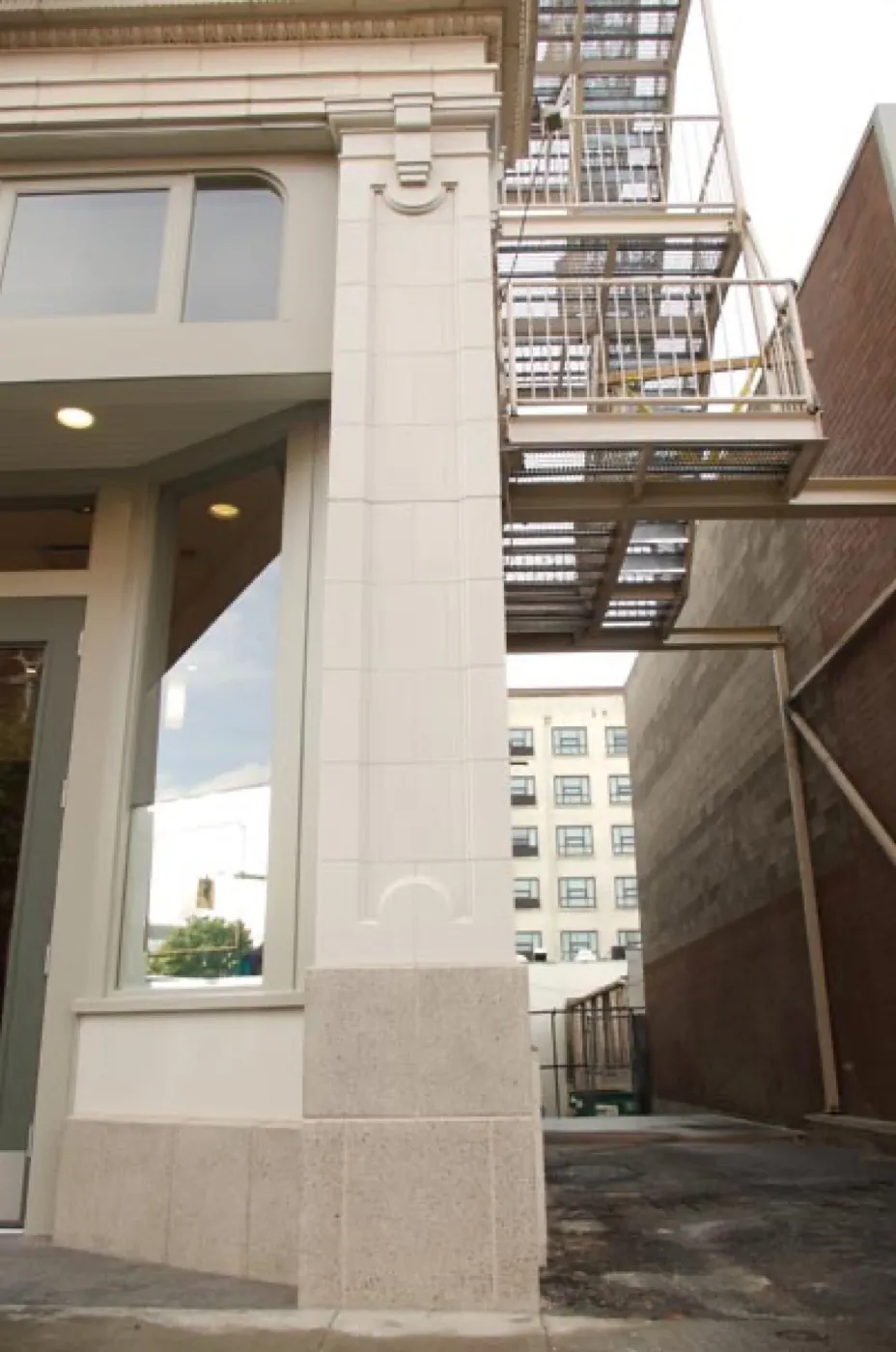
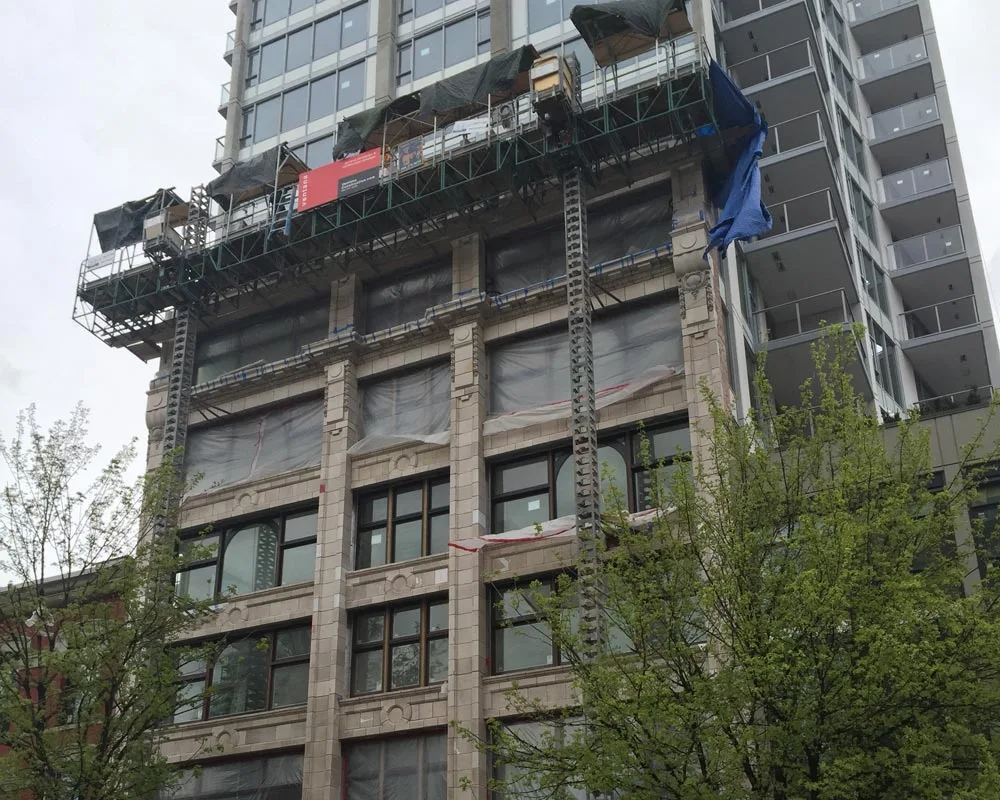
When Victoria’s Douglas Hotel became the Hotel Rialto, the developers faced two problems at once: the white glazed terracotta cladding its eleven columns was beyond saving, and the building needed seismic upgrading the original tile could never support.
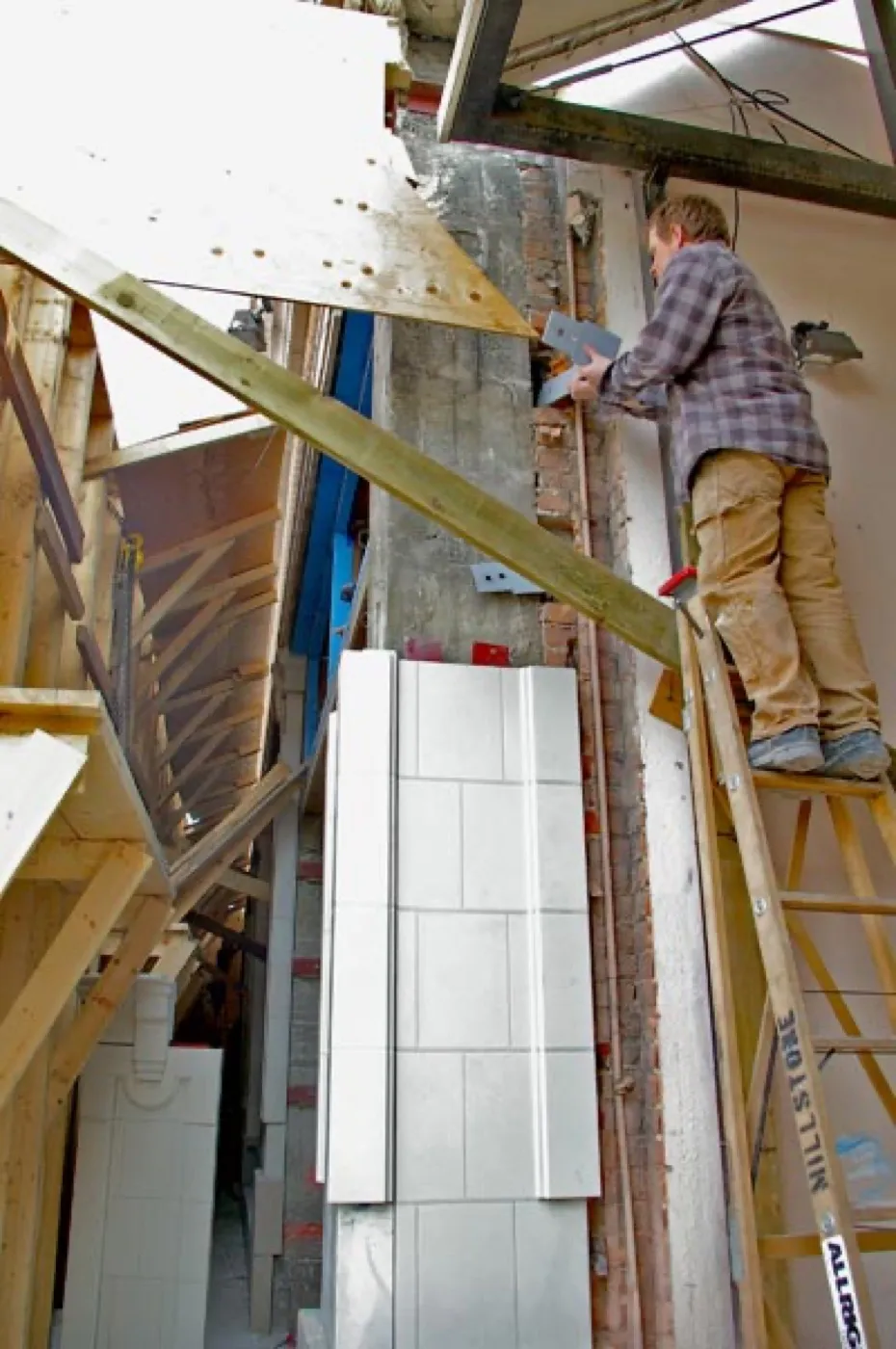
Szolyd cast thin white Ductal shells that replicate the texture of the original glazed tiles — grout lines included — and clad the existing columns with them. The colour is integral to the material, so there is nothing to repaint, and a street-level anti-graffiti coating deals with downtown. The restoration put the building on the cover of Construction Canada.
- Project
- Hotel Rialto facade restoration
- Location
- Douglas Street, Victoria BC
- Scope
- 11 columns in two sizes, re-clad
- Material
- White Ductal® UHPC, thin cast shells
- Finish
- Integral colour · glazed-tile texture · anti-graffiti coating
- Published
- Cover, Construction Canada — September 2009

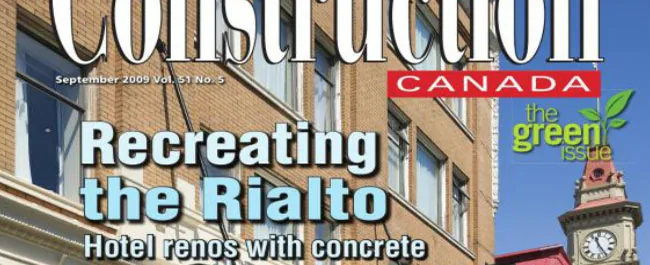
“Recreating the Rialto”
Construction Canada put the project on its September 2009 cover — hotel renovation with concrete standing in for hundred-year-old terracotta.
Trapp + Holbrook — 43 molds, 90 castings, four months
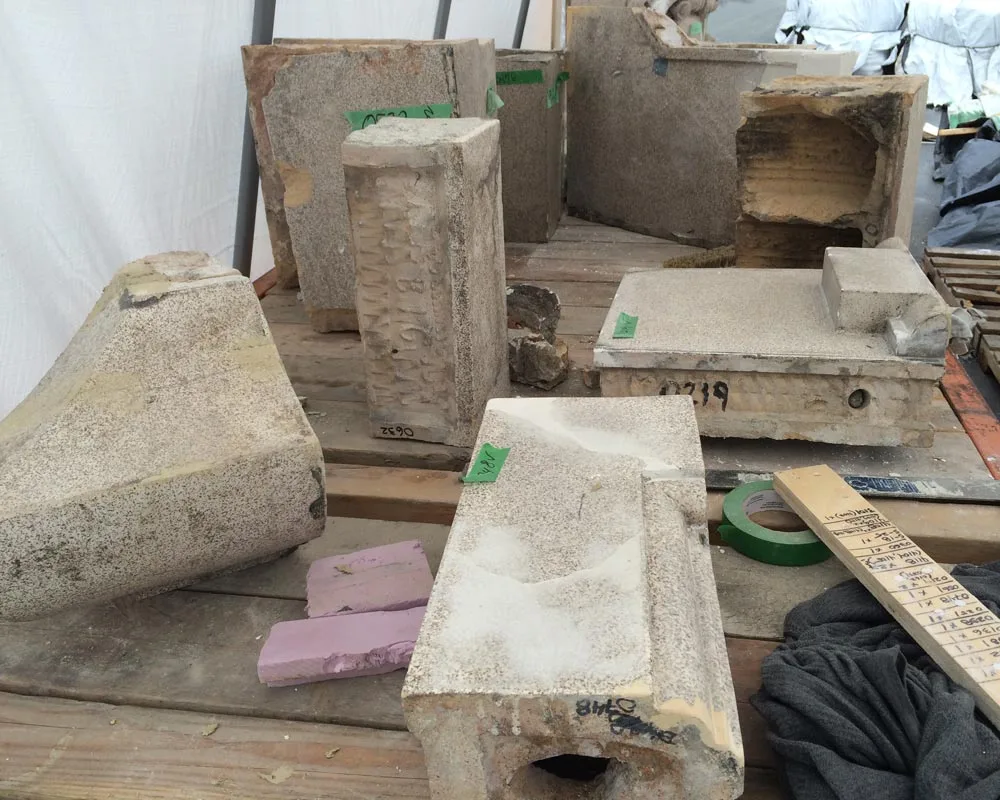
The Trapp Block (1913) and Holbrook (1880s) anchor New Westminster’s historic Columbia Street. When the buildings were redeveloped, nearly 1,500 original terracotta pieces were dismantled, photographed, numbered and catalogued by restoration contractor Atlantis Rausch — and the blocks too damaged to save had to be made again from scratch.
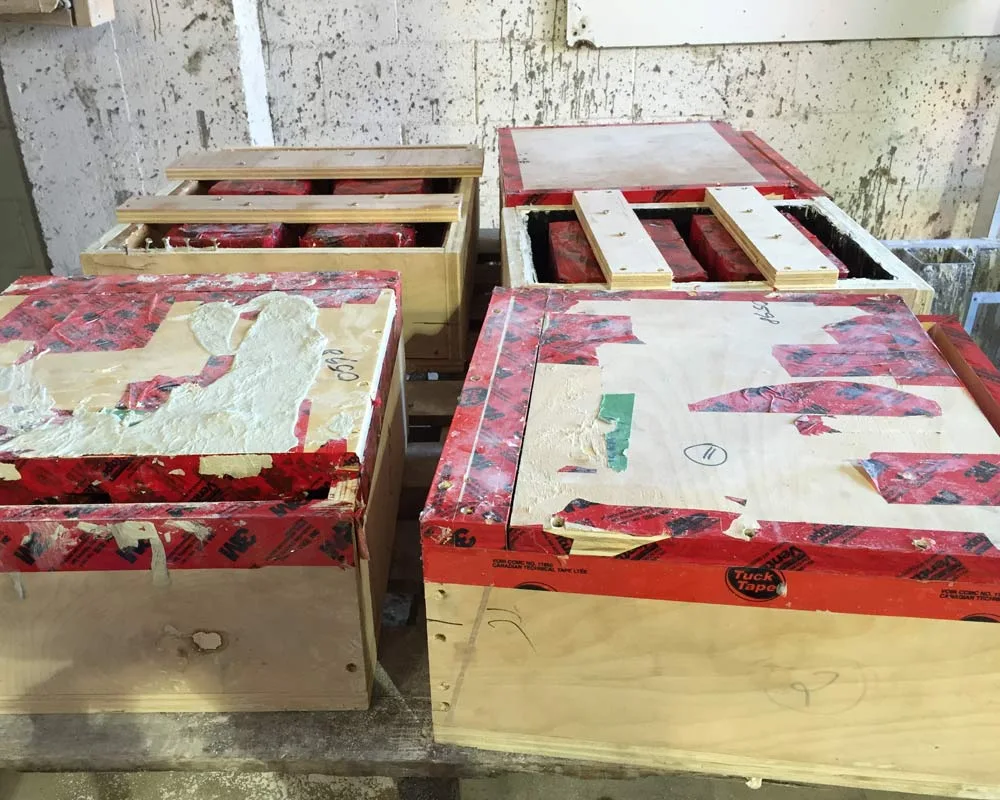
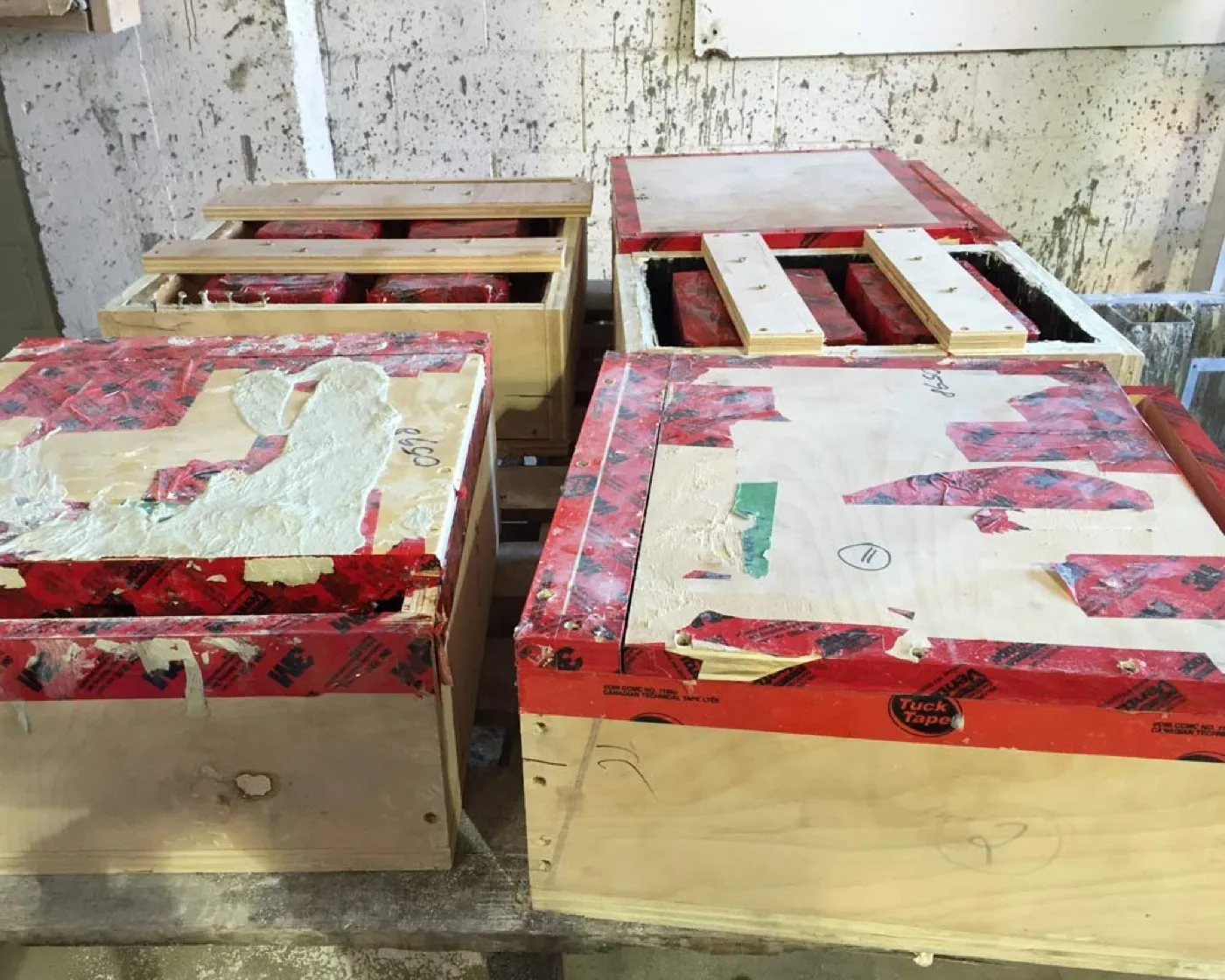
That was Szolyd’s scope: brought in just months before the pieces were needed on the building, the shop built 43 custom molds and cast 90 Ductal replacements in under four months, matching profiles that had been out of production for a century.
- Project
- Trapp + Holbrook facade restoration
- Location
- Columbia Street, New Westminster BC
- Originals
- Trapp Block c. 1913 · Holbrook c. 1880s
- Restoration
- Atlantis Rausch · ~1,500 pieces catalogued
- Szolyd scope
- 43 custom molds · 90 Ductal® castings
- Timeline
- Cast in under 4 months
Scott Building — a rosette a century younger than its neighbour
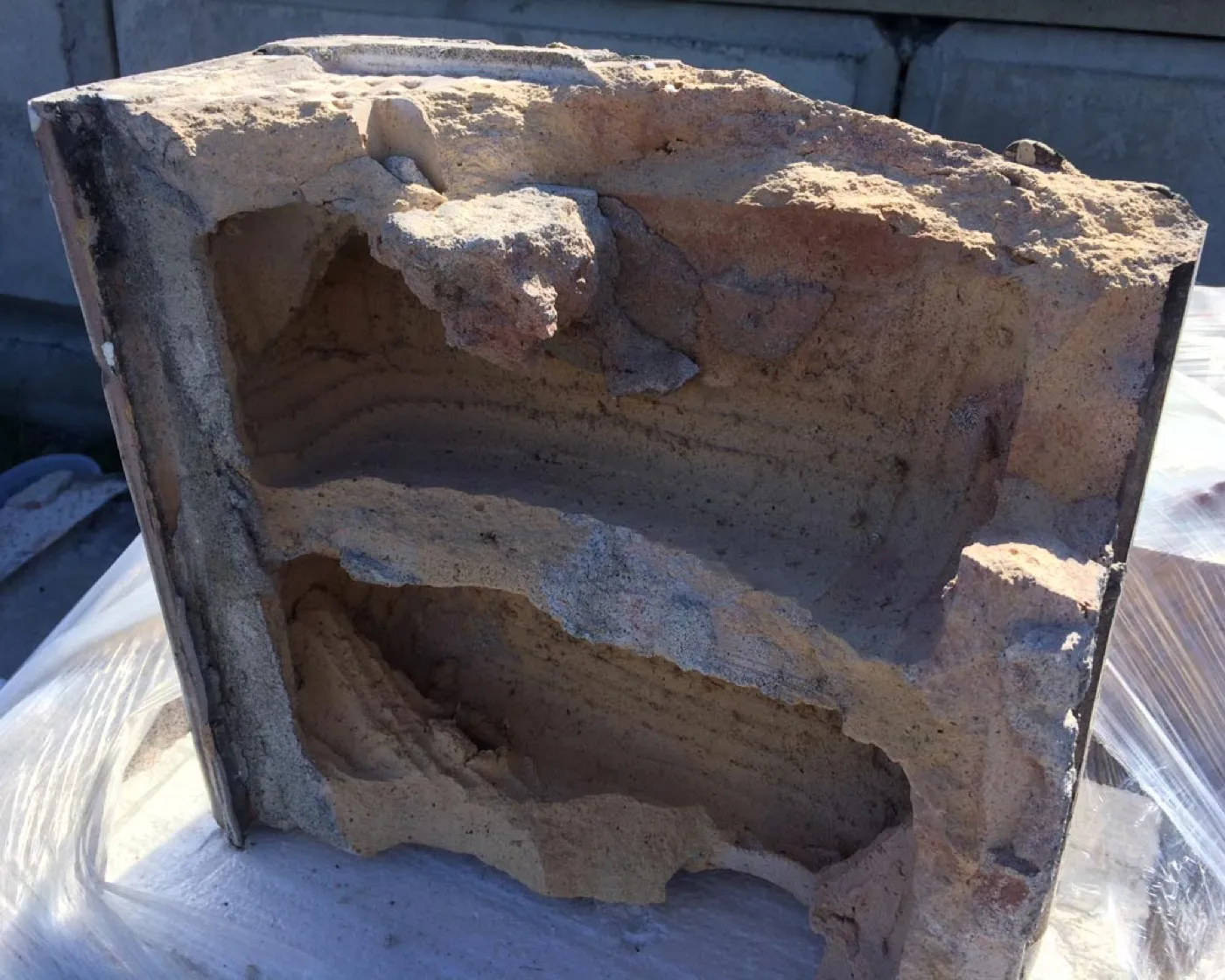
On the Scott Building’s 1912 facade, several of the ornamental elements were failing. Szolyd cast replacements that install side by side with the surviving originals — a partial restoration, so the building keeps its own face instead of trading it for a reproduction.
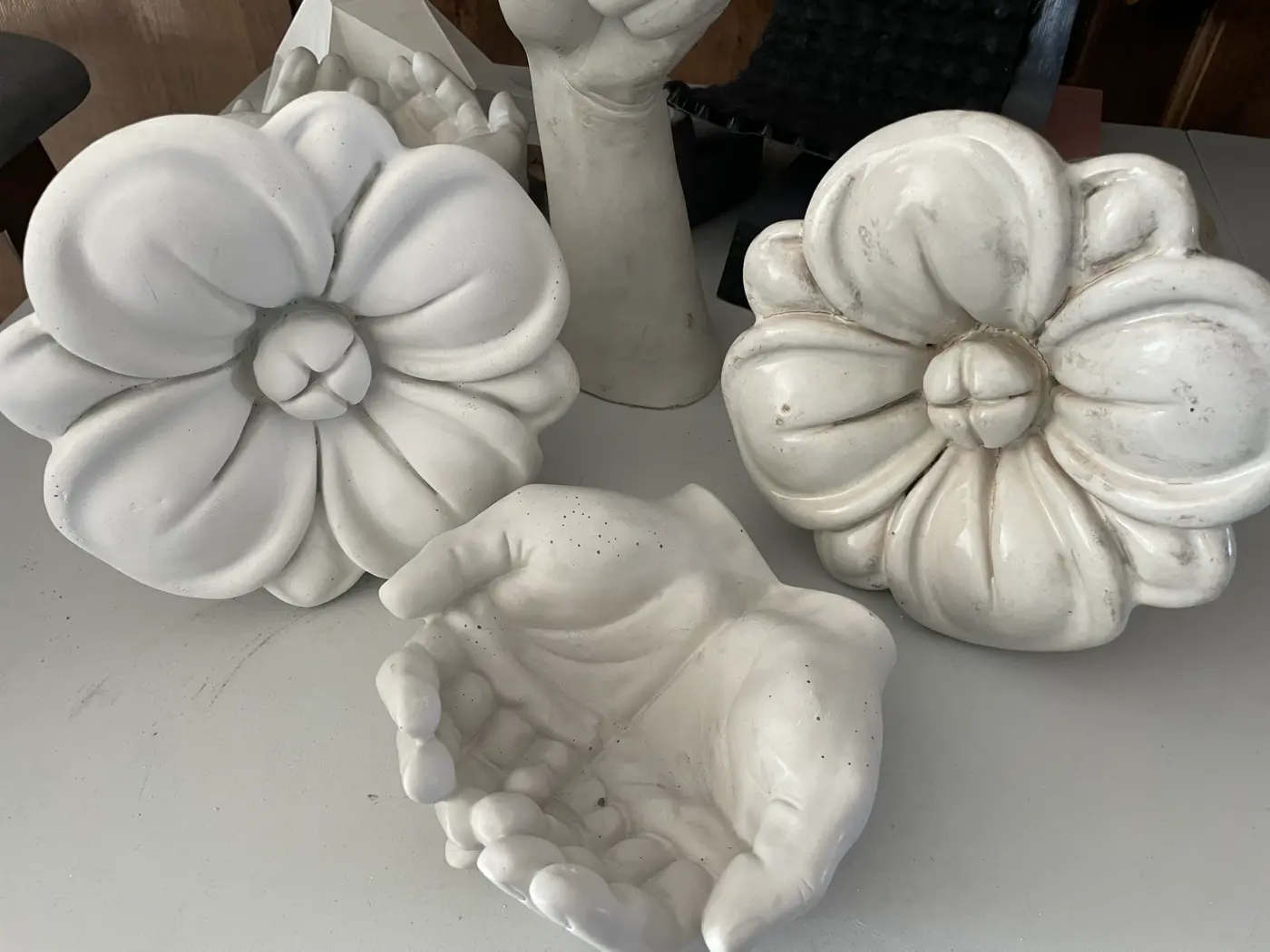
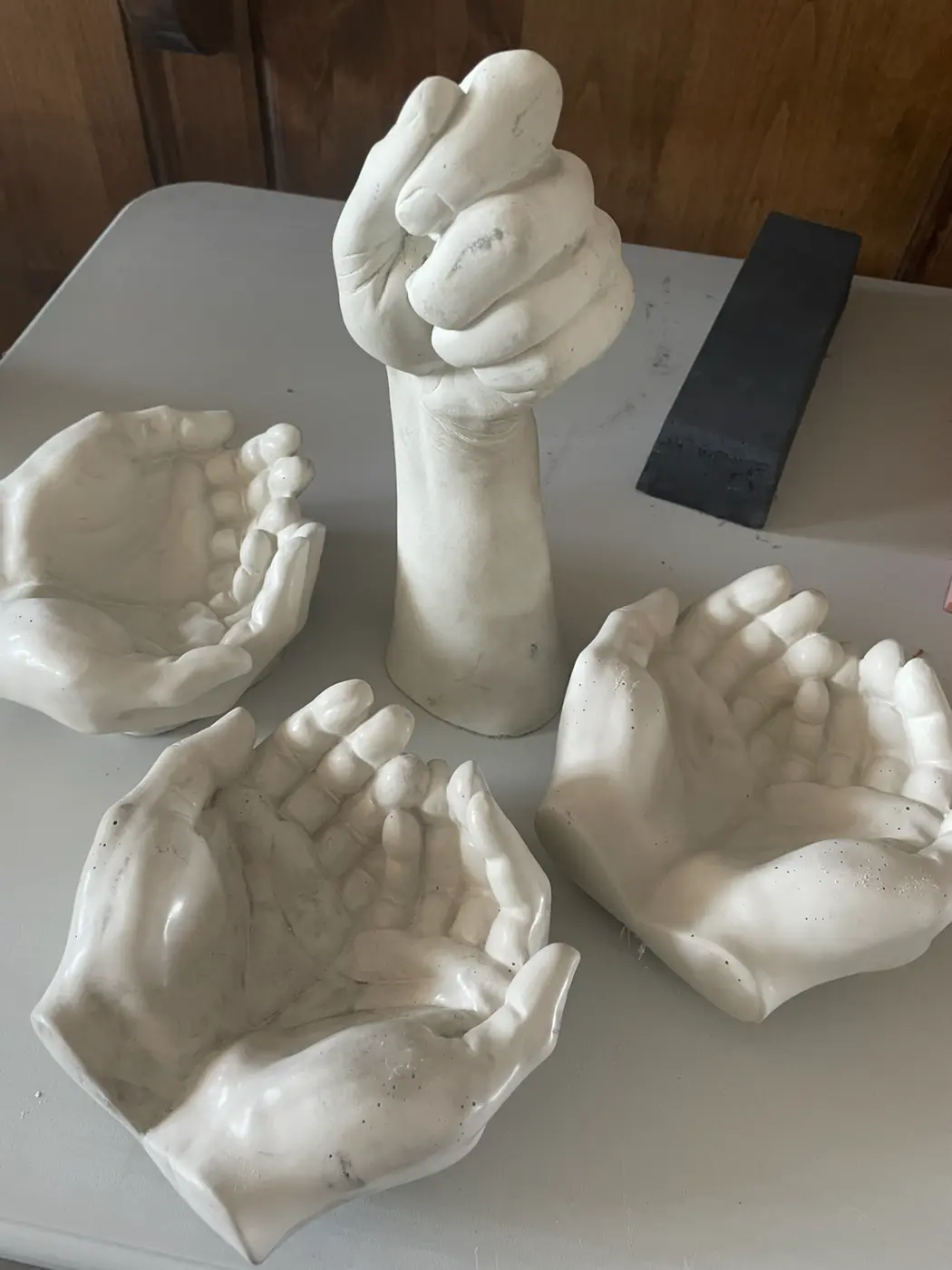
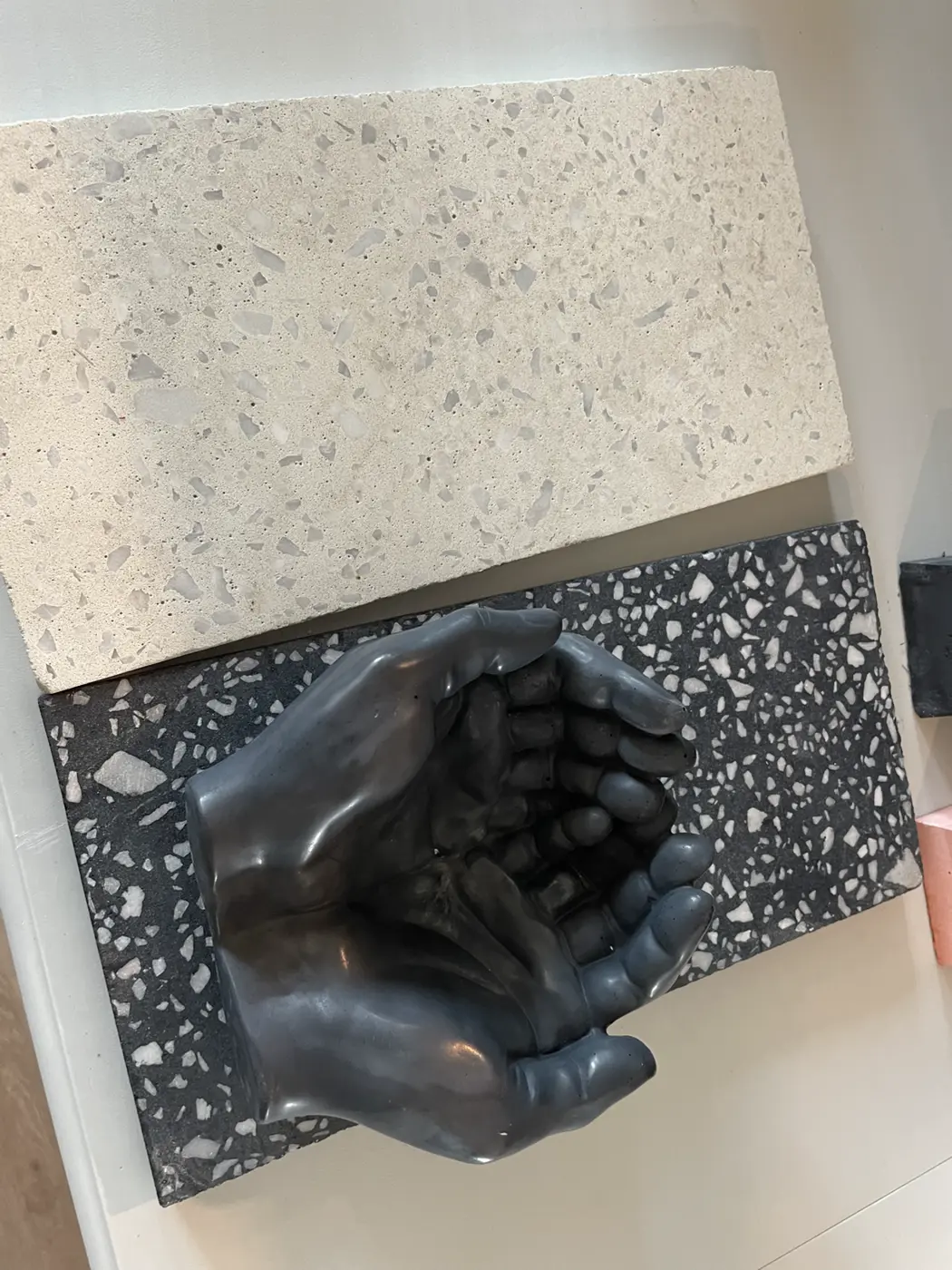
The pair of rosettes below is the whole argument in one frame: the one on the right is over a hundred years old, glazed terracotta, straight off the building. The one on the left is new out of our mold, not yet sealed. Profile for profile they read as one — you tell them apart by age, not by shape. The cast hands come from the same restoration programme.
- Project
- Scott Building — facade restoration elements
- Location
- Victoria, BC
- Building
- 1912
- Scope
- Replacement ornament — rosettes and figurative castings
- Method
- Molds taken one-to-one off the century-old originals
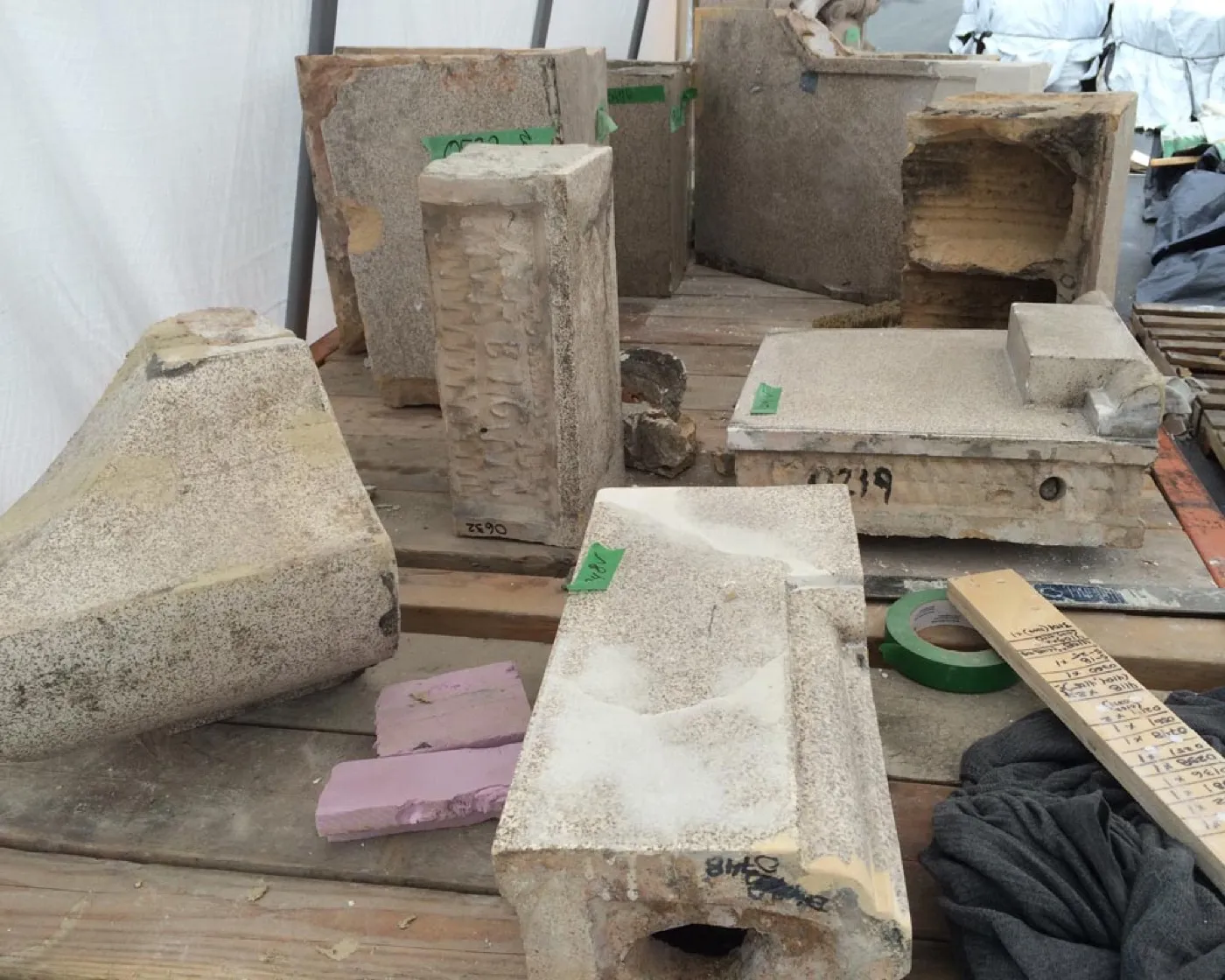
Victoria High School — a rock factory for forty shades of speckle
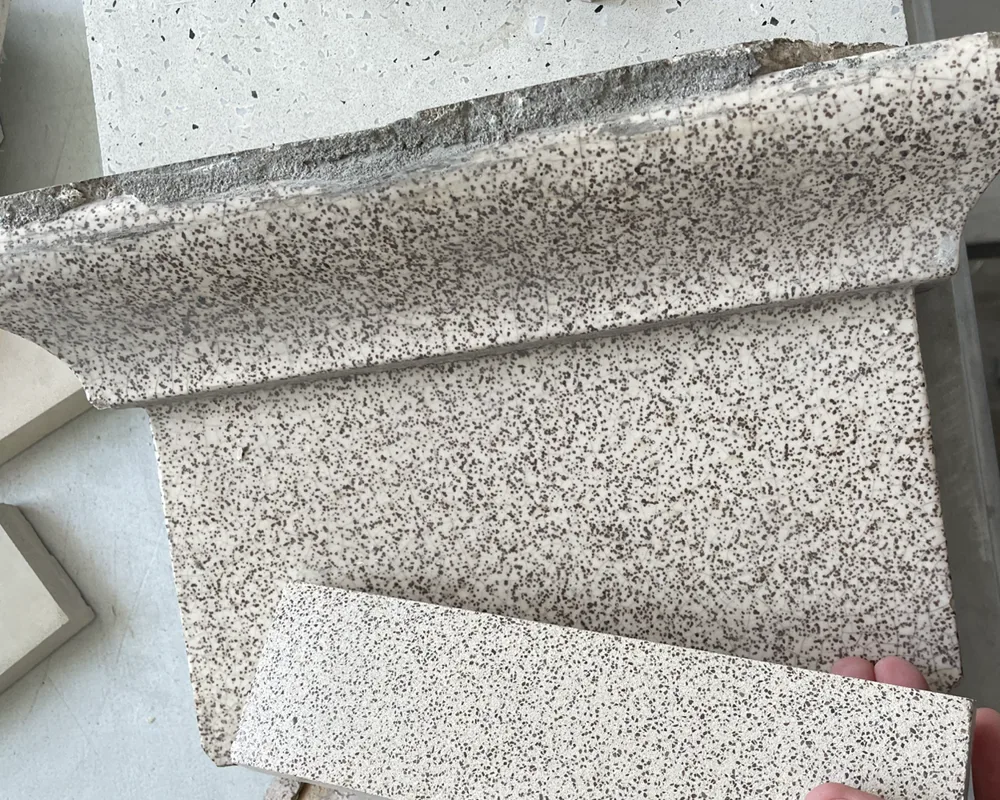
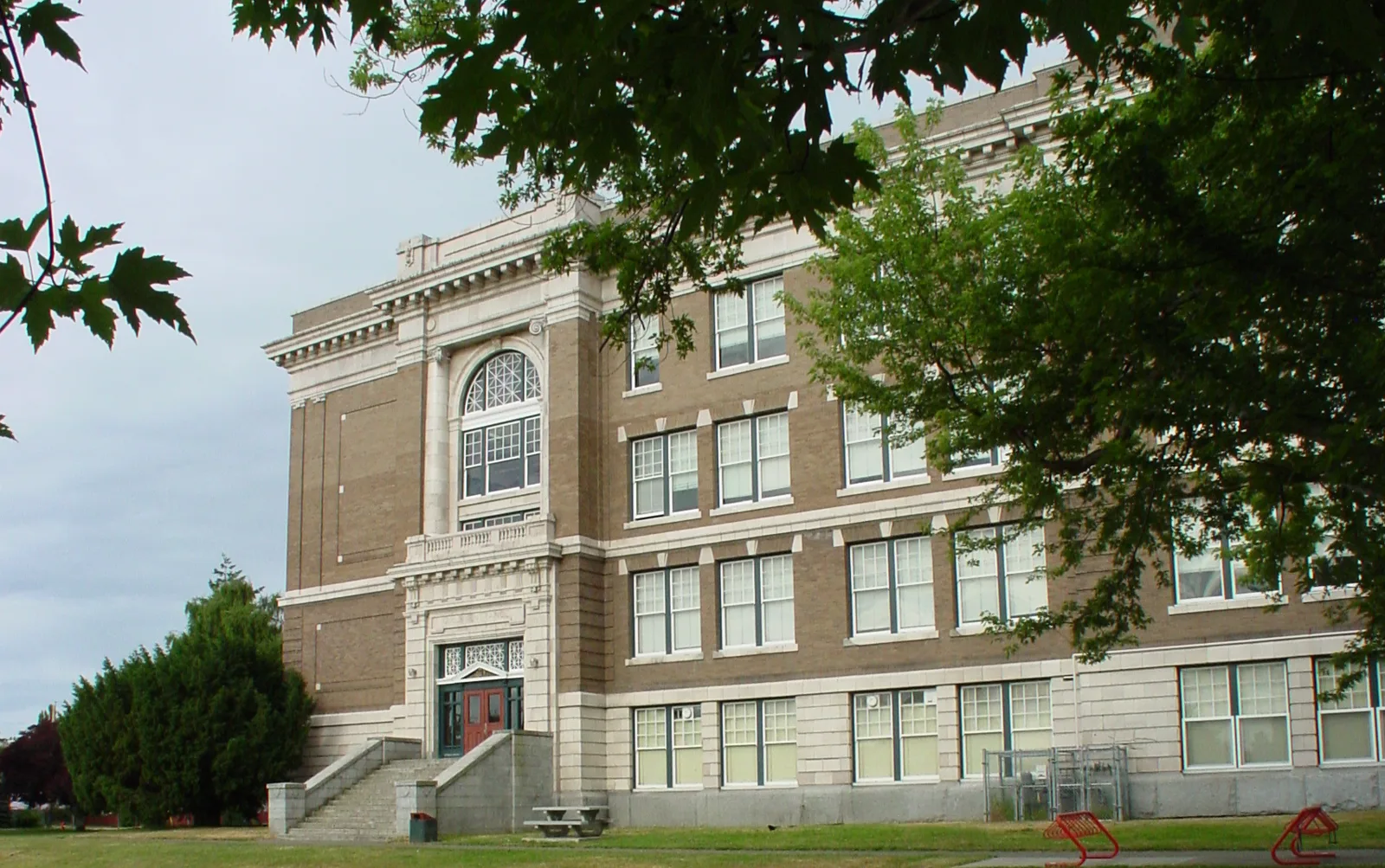
When Vic High’s seismic upgrade reached the facade, every modillion block under the cornice was a hazard — in an earthquake they would simply leave the building. The glazed terracotta they’re made of hasn’t been manufactured in generations, and its glaze carries a mica fleck no supplier could match. The easy answer was a full facade replacement: strip a century of face off the school and start again.
Szolyd’s answer was to match the material instead. It took more than forty iterations of background colour and aggregate — and when the right brown chip turned out to be the wrong size and shape, we built a small rock factory to grind and round it to the original’s particle size. The new blocks read as the old ones, so School District 61 could replace only what was failing. A partial restoration, on a building that keeps its own face — that match is the whole point of doing this in UHPC.
- Project
- Seismic upgrade & exterior restoration — masonry units
- Location
- 1260 Grant Street, Victoria BC
- Building
- 1913–14
- Scope
- Modillion blocks (all, seismic) · pier blocks · windowsill blocks
- Method
- 40+ match iterations · custom-milled aggregate
- Completed
- 2024–25 · the upgrade took Judges’ Choice Best Overall at the 2025 Capital Region Commercial Building Awards

The photographs — the building, the match tile, and one frame of each element family — are in the Victoria High portfolio.
Thin, strong, cast to match — heritage is where our wall work learned its trade.
Every restoration panel is a rehearsal for the same idea at building scale: facades in a material that lasts generations.
Have a building losing its face?
Send photos of the facade and what’s failing — we’ll tell you honestly whether UHPC is the right answer for it.
Start a restorationOr write to us directly: trevorh@szolyd.com